

The annual inflation rate slowed to 1.7 percent in July, as falling gasoline prices outweighed increases in shelter and food costs.
The headline Consumer Price Index eased from June’s 1.9 per cent rise, continuing a gradual cooling trend. Excluding gasoline, which saw a 16.1 per cent drop from a year earlier, inflation held steady at 2.5 per cent for the third month in a row.
Gasoline prices have declined sharply since the spring, reflecting the removal of the federal carbon levy, weaker crude oil prices following a ceasefire in the Middle East, and greater supply from OPEC and its partners. Prices at the pump were down 0.7 per cent compared with June.
Shelter costs added pressure to the index, climbing 3.0 per cent on the year. Rent rose 5.1 per cent, with Newfoundland and Labrador, Prince Edward Island and British Columbia leading the increases. Natural gas prices fell 7.3 per cent, less than half the decline seen in June, after Ontario posted higher rates. Mortgage interest costs rose 4.8 per cent, their slowest pace in nearly a year.
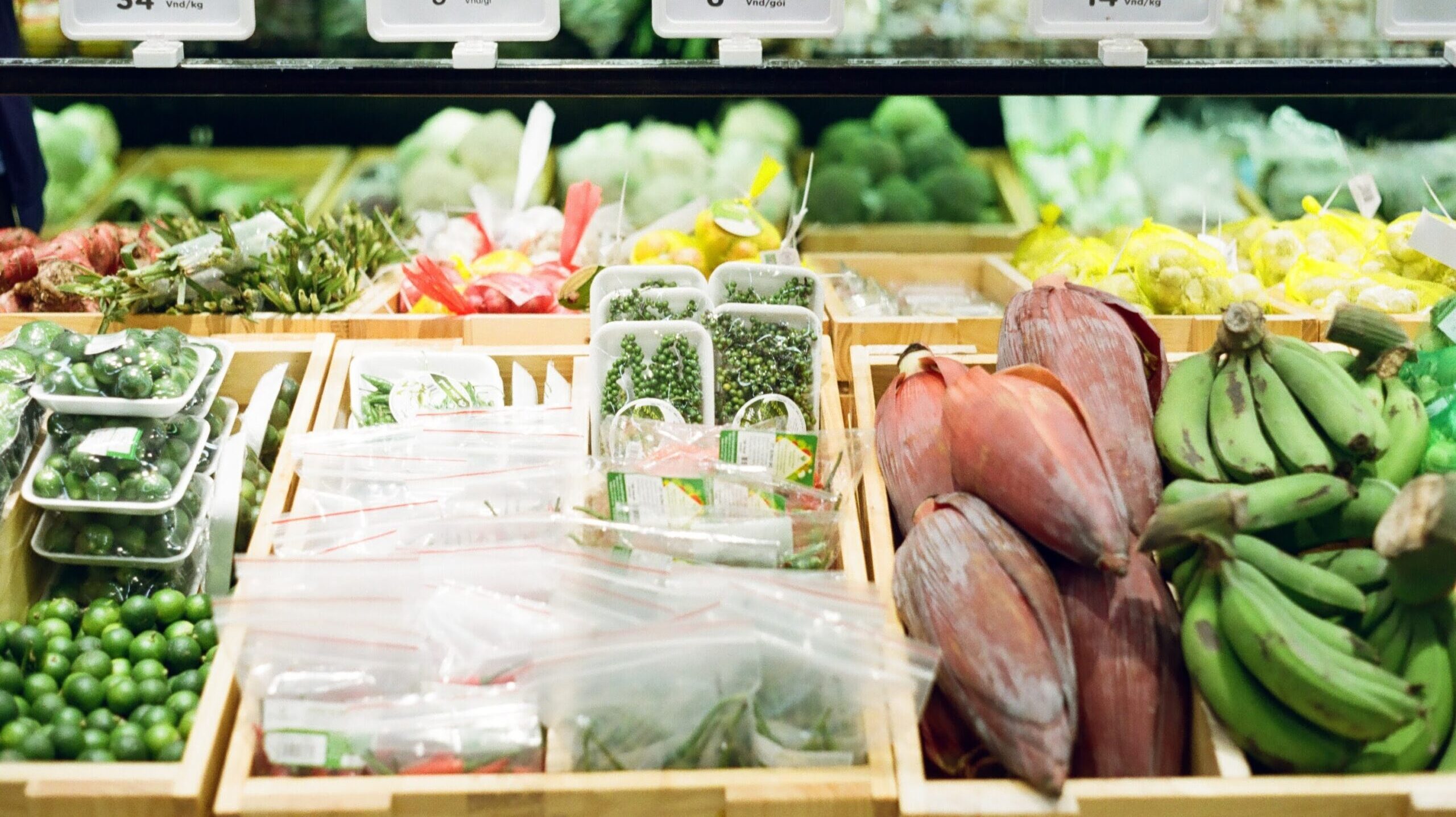
Grocery prices accelerated, rising 3.4 per cent compared with 2.8 per cent in June. Coffee prices jumped 28.6 per cent and confectionery rose 11.8 per cent due to poor weather in major producing regions. Fruit prices also climbed, led by a 29.7 per cent surge in grapes. Canadians are paying more than 27 per cent more for food than they did in July 2020.
Inflation slowed in most provinces, but Newfoundland and Labrador recorded faster price growth on the strength of a nearly 14 per cent increase in electricity costs.
On a monthly basis, consumer prices rose 0.3 per cent, or 0.1 per cent after seasonal adjustment, suggesting inflationary pressures remain subdued overall despite persistent increases in food and housing.