

The Bank of Canada left its key interest rate unchanged at 2.25 percent, marking the Bank’s fifth consecutive hold since October 2025.
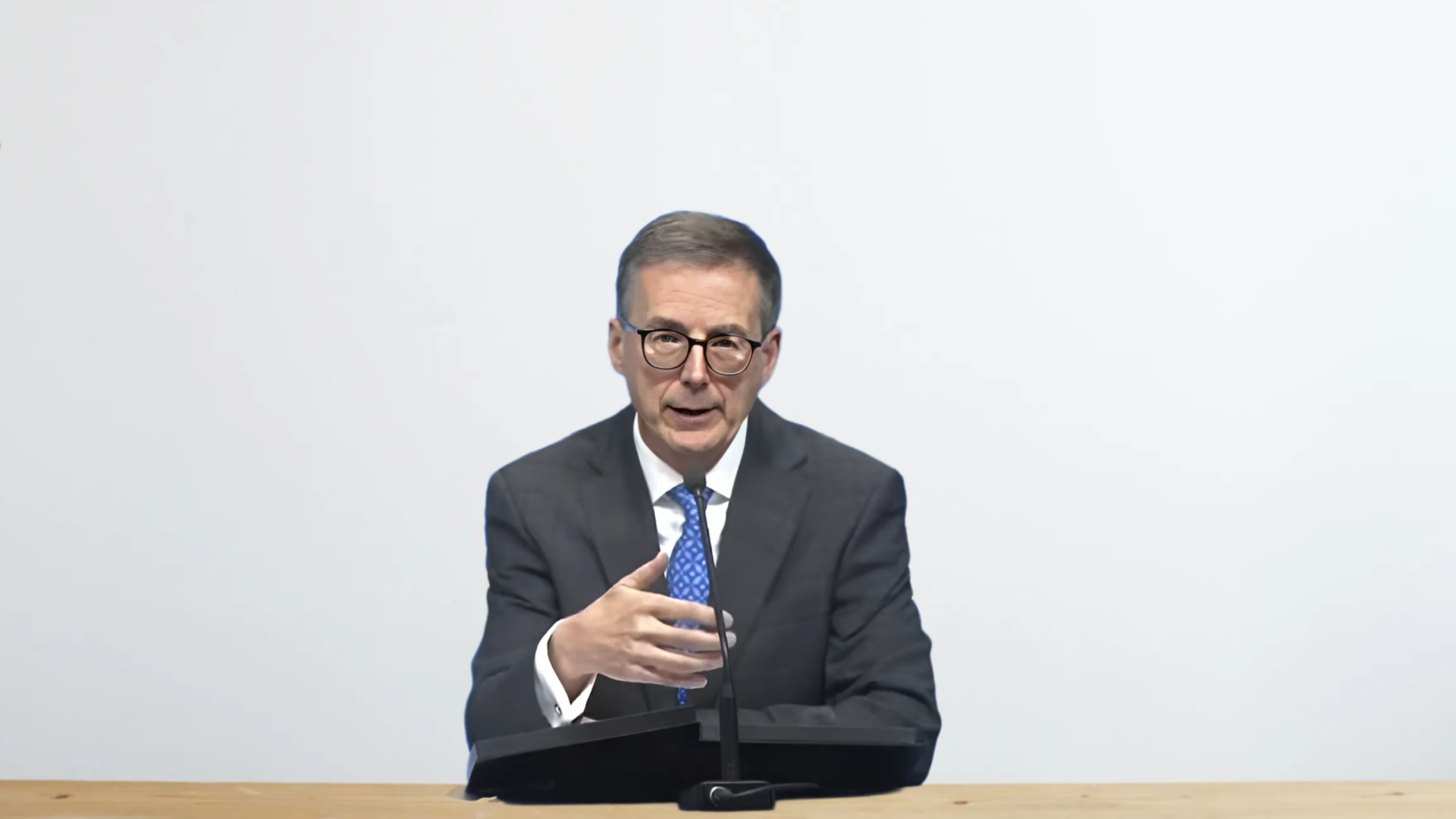
Governor Tiff Macklem said Canada’s economy has lost momentum in recent months, although there are signs growth could return during the spring.
The economy contracted by 0.1 percent in the first quarter after declines in housing activity, business investment and government spending. Consumer spending continued to grow, but not enough to offset weakness in other parts of the economy.
Employment rose in May, but Macklem said the broader trend has been largely unchanged since the beginning of the year. The unemployment rate stood at 6.6 per cent in May and has remained close to that level for several months.
Recent data suggests consumer spending remains steady, while conditions in the housing market appear to be stabilizing.
Inflation rose to 2.8 percent in April, up from earlier in the year, driven by higher energy prices and changes related to the federal consumer carbon tax.
Even with inflation moving higher, the Bank said there is little evidence that rising fuel costs are spreading widely through the economy. The Bank’s preferred measures of inflation remain near 2 percent.
Macklem said they are watching closely for signs that higher energy costs begin affecting a broader range of goods and services.
“So far there’s very limited evidence,” he said when asked whether rising oil prices are creating wider inflation pressures.
Oil prices remain about US$10 a barrel higher than the Bank expected in April. As a result, inflation is expected to stay near 3 per cent in the coming months before gradually easing.
The central bank faces a difficult balancing act. A weaker economy could eventually require lower interest rates, while persistent inflation could lead to higher borrowing costs.
For now, the Bank believes keeping rates unchanged is the best course.
“Holding the policy rate unchanged balances those risks,” Macklem said.
Macklem also rejected suggestions that Canada is already in a recession.
He said economic activity has been mostly flat over the past year, but the country has not experienced the broad decline in output and employment that is typically associated with a recession. Instead, he described the economy as weak and growing very little.
A key message from the press conference was that the direction of future interest rates remains uncertain. The Bank is in a holding pattern as it watches two major risks unfold. On one side, further trade disruptions could weaken economic growth and increase pressure for lower rates. On the other, persistently high energy prices could keep inflation elevated and eventually force the Bank to tighten monetary policy again.
Macklem acknowledged that both risks remain on the table, saying the Bank is prepared to respond as conditions change. While officials expect economic growth to resume in the second quarter, they made it clear there is still considerable uncertainty about the outlook.