

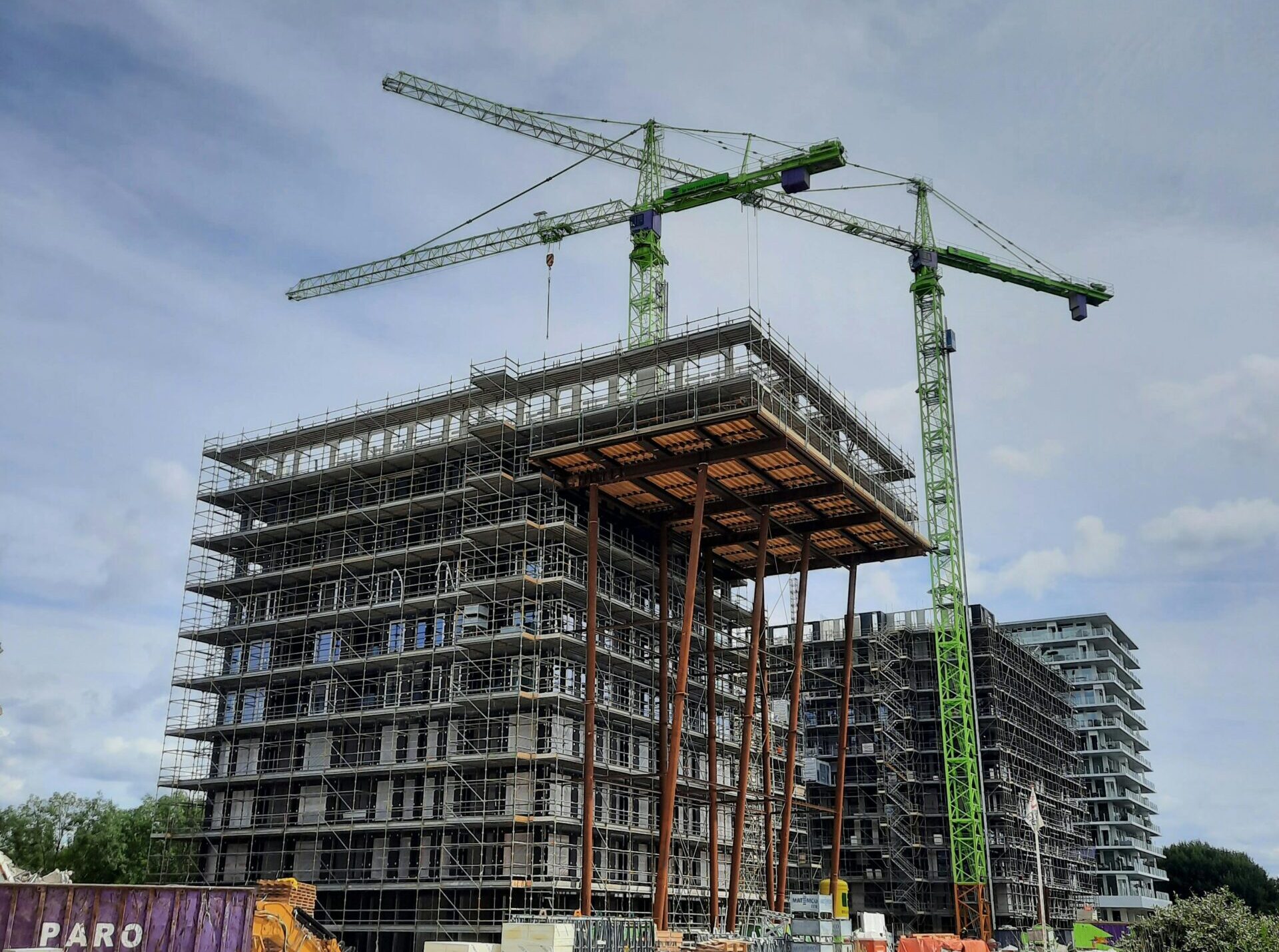
Canada’s construction sector posted a monthly increase in building permit values in September, yet the broader trend suggests a slowdown that is becoming harder to ignore. The latest municipal permit figures show pockets of short term growth, but they also reveal structural weaknesses, sharp regional drop-offs, and notable cooling in categories that had previously supported the sector.
Municipalities issued permits worth $11.7 billion in September, a rise of 4.5 percent from August. When adjusted for inflation, the increase remained positive, but this single month stands in contrast to a weak quarter overall.
Residential intentions rose to $7.3 billion. Multi-family housing accounted for most of the change, driven largely by Alberta and Quebec. Two provinces pulled the national figure upward while British Columbia moved in the opposite direction, reflecting the uneven nature of the market.
Single-family construction grew more modestly. Ontario contributed most of the increase, which partially masked declines in several other provinces and two territories. The patchy distribution hints at a market that is not expanding consistently, even as population pressures continue to rise.
The non-residential sector recorded a monthly increase of $4.4 billion. Commercial and industrial permits grew during September, again pushed upward by Alberta and Quebec.
The quarterly picture paints a more sobering portrait. Permit values from July through September fell to $34.6 billion, a decline of 5.4 percent and the second straight quarterly drop. The downturn was concentrated in Ontario’s non-residential sector, which shed $2.5 billion in the quarter. Institutional projects in the province fell back significantly and pulled down the total.
Industrial intentions also weakened, dropping more than half a billion dollars. Commercial intentions were the only part of the non-residential sector that grew in the quarter, supported mainly by British Columbia. Hotels and recreational facilities contributed to the increase.
Residential intentions continued their downward trend through the third quarter. The total fell to $21.4 billion, which in inflation-adjusted terms is the sector’s lowest level since comparable data began in 2018. Multi-unit housing declined by $187.5 million, weighed down by large reductions in the Montréal region, as well as in Alberta and Nova Scotia. Ontario and British Columbia reported rebounds from earlier declines, but the improvement was not enough to lift the national figure.
Single-family housing edged down slightly. Alberta and Ontario recorded the sharpest decreases, while several smaller provinces moderated the national change.
One indicator remains stronger than the rest. Since January, municipalities have authorized more housing units than they did at this time last year. The increase in volume, however, contrasts with the fall in total permit values, suggesting that many of the newly approved units may be smaller, less capital intensive, or spread across regions with lower construction costs.
As interest rates remain high, construction costs persist, and provincial markets move in different directions, the sector continues to navigate a challenging landscape where pockets of growth coexist with deeper weaknesses.