

By Xavier (Student Journalist)
Box Elder, Montana – Farming and ranching across the Alberta–Montana border remain closely connected, but rising costs, climate pressures and shifting global markets are reshaping how agriculture operates on both sides.
The two regions share similar landscapes and production systems. Both rely on large-scale grain farming and cattle ranching shaped by prairie conditions. However, differences in scale and market access are becoming more visible as producers respond to economic and environmental uncertainty.
Alberta remains one of Canada’s leading agricultural producers. The province has more than 41,000 farms and roughly 49 million acres of farmland. Its livestock sector dominates nationally, with millions of cattle and about 40 percent of Canada’s beef production concentrated in the province . This has made Alberta the centre of the country’s beef industry.
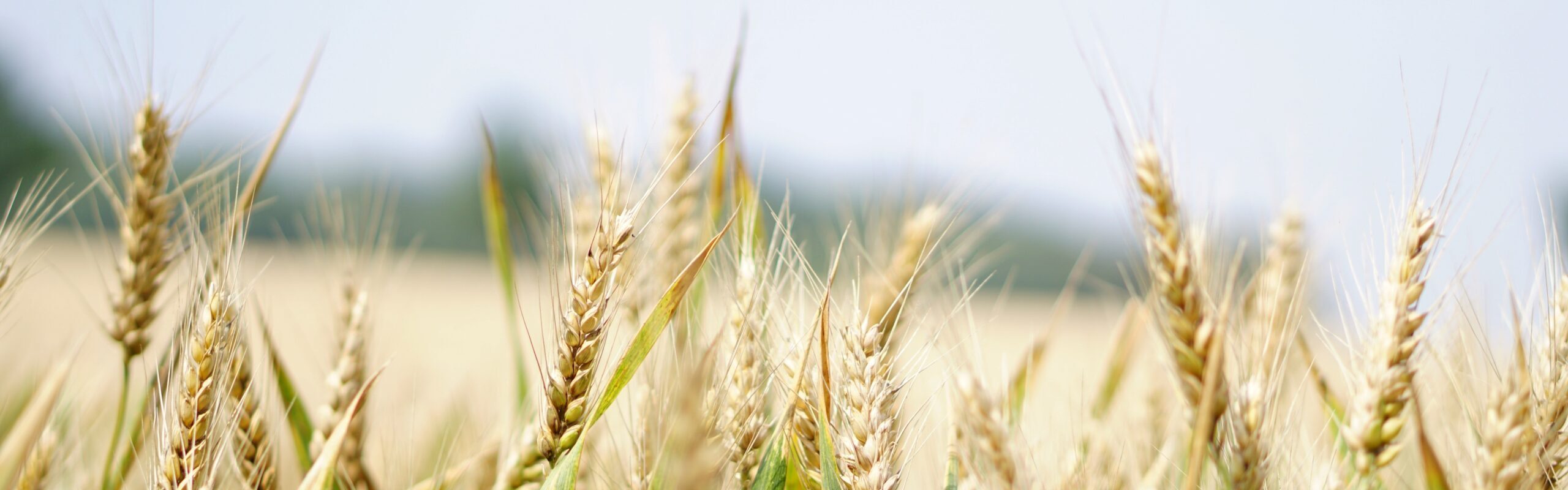
Crop production is also a major part of Alberta’s economy. Wheat and canola are key commodities, with the province ranking among the top producers of both. These crops play an important role in Canada’s export market, where agricultural and food exports total tens of billions of dollars annually.
In Montana, agriculture is smaller in scale but remains central to the state’s economy. The state has about 27,000 farms and nearly 60 million acres of farmland, making it one of the largest agricultural land bases in the United States. Montana is a major wheat producer, particularly in the north-central “Golden Triangle,” where soil and climate conditions support high yields.
Cattle ranching is also a defining feature of Montana’s rural economy. Like Alberta, ranchers depend on open grazing land and locally produced feed, reflecting similar practices shaped by geography and climate.
Despite these similarities, the two regions differ in how their products reach markets. Alberta’s agriculture sector is strongly export-oriented, shipping beef, grains and oilseeds to global markets, especially Asia and the United States. Montana producers, while still exporting, are generally more tied to domestic U.S. supply chains.
Trade between the two countries remains significant. Canada and the United States exchange tens of billions of dollars in agricultural products each year, highlighting the high level of integration between the two systems.
Producers on both sides of the border are facing increasing pressure. Prolonged drought conditions have reduced crop yields and forced some ranchers to shrink herd sizes or purchase more expensive feed. Weather variability is also affecting growing seasons and water availability, particularly in dryland farming areas.
At the same time, rising input costs are tightening margins. Fuel, fertilizer, machinery and land prices have all increased in recent years, leaving farmers more exposed to swings in global commodity markets. Government support programs exist in both countries, but differences in policy can affect how producers manage risk.
Labour shortages are another growing concern. Rural populations in Alberta and Montana are aging, and fewer young workers are entering the sector. Many farms now rely on seasonal or temporary labour to maintain operations during peak periods.
Even with these challenges, agriculture remains a cornerstone of rural life in both regions. Family-run farms continue to dominate, often passed down through generations, while gradually adopting new technologies to improve efficiency and productivity.
The shared geography of Alberta and Montana has created agricultural systems that look remarkably similar. But as climate risks intensify and economic pressures grow, farmers on both sides of the border are being pushed to adapt, shaping the future of food production across the region.