

By Rayden Russette, Canadian News Hub
Box Elder, Montana-Electric cars are often called the future of driving, but their story goes back almost 200 years. The first electric carriages appeared in Europe in the 1820s. They used simple batteries and could only travel short distances. In the early 1900s, electric cars became popular in the United States. They were smooth, quiet, and easy to drive. Wealthy families owned them.
But gas cars soon took over. Ford’s Model T was cheap and could drive farther. Gas stations spread quickly, making it easy to refuel. By the 1930s, electric cars had almost disappeared. Interest came back in the 1970s during oil shortages, but the batteries were still weak and the cars couldn’t go very far.
A big shift came in the 2000s. In 2008, Tesla released the Roadster, showing that an electric car could be fast, stylish, and travel long distances. Other companies, like Nissan and Toyota, soon followed. Better batteries helped cars drive hundreds of miles on a single charge. Today, many automakers are moving toward electric vehicles, and governments are giving rebates to encourage buyers.
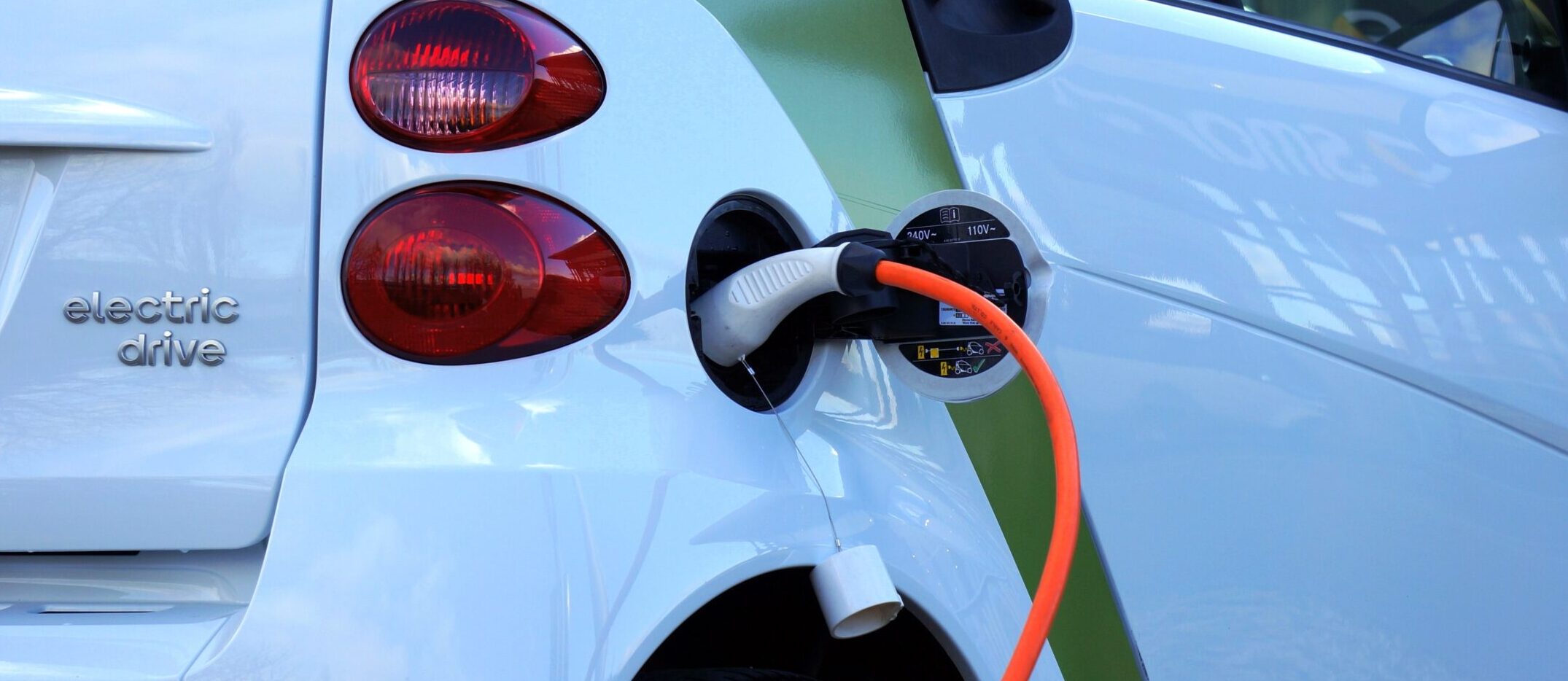
Electric cars help the environment. They do not produce exhaust, which means cleaner air and fewer greenhouse gases. If the electricity comes from solar or wind power, the impact is even better.
They are also cheaper to run. Electricity costs less than gas, and electric cars have fewer parts that can break. Drivers don’t need oil changes, and brakes last longer because of regenerative systems.
Driving them can also be fun. Electric motors give instant power, so the cars speed up quickly. They are quiet and smooth, making rides more comfortable. On a larger scale, switching to electricity reduces dependence on oil.
Even with progress, electric cars face challenges. Some drivers worry about “range anxiety,” the fear of running out of battery. Newer models can travel 300 to 400 miles, but charging takes much longer than filling a gas tank. Charging stations are growing, but in smaller towns and rural areas they are still hard to find.
Batteries are another concern. They lose strength over time and can be costly to replace. Mining materials like lithium and cobalt for these batteries can harm the environment if not done responsibly. Recycling old batteries is improving but still has a long way to go.
The price of electric cars is also higher. Rebates and tax credits help, but for many families they remain more expensive than gas cars. And if electricity comes from coal or oil, the environmental benefits are reduced.
Even with the problems, the future looks bright for electric cars. Battery technology is improving, prices are coming down, and more charging stations are being built, even in smaller communities. Automakers are competing to create new models, including trucks and SUVs that meet everyday needs.
In rural areas, electric cars could bring new opportunities but also new challenges. They can save money on fuel and help keep the air clean, but charging networks will need to grow so rural drivers can rely on them.
Electric cars show how technology can reshape everyday life. They offer cleaner air, lower costs, and a new way of driving. But they also remind us that no solution is perfect. Their journey is still unfolding, and the decisions we make now will shape how we move in the future.