

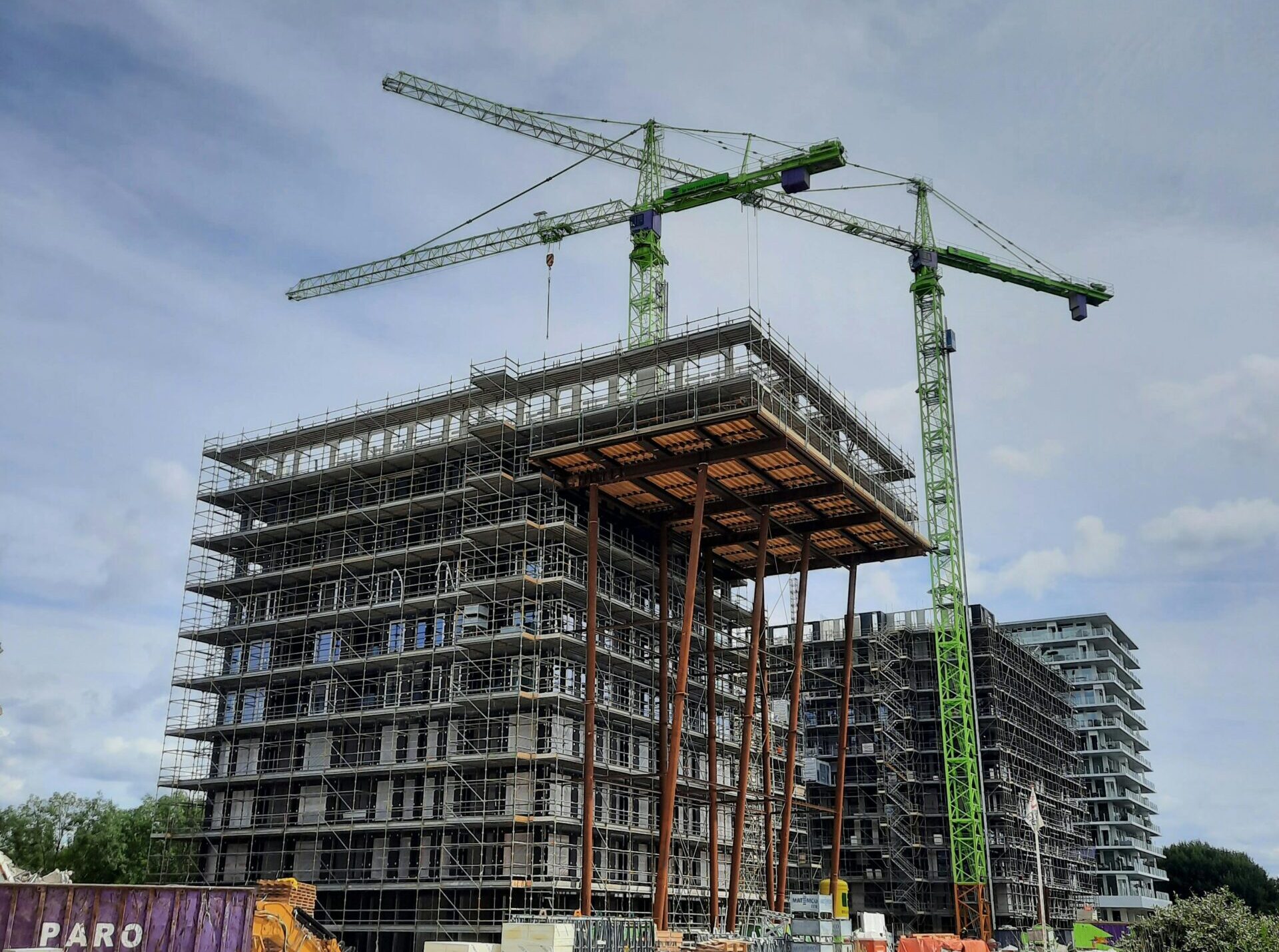
Canada closed 2025 with a late-year rebound in building permits, but the headline gain obscures deeper shifts in the housing market and uneven momentum across sectors.
The total value of permits rose 6.8% in December to $12.8 billion, a monthly increase of $821.3 million, coming primarily from residential projects.
Residential intentions climbed to $8.0 billion in December by a $653.2 million jump in multi-unit projects. Single-family permits moved in the opposite direction, falling $119.7 million to $2.5 billion.
The tilt toward apartments and condos has become structural. On a constant dollar basis, single-family construction fell 7.0% in 2025 to $29.6 billion. Multi-family construction rose to $57.0 billion, the second-highest level in the series. The number of housing units authorized reached a record 308,600, but that growth came almost entirely from multi-unit dwellings. Permits for detached homes declined by 3,500 units over the year.
It reflects affordability constraints and land costs in major urban markets, but the shift also raises questions about the type of supply coming online. Smaller units may address rental demand, yet they do little to revive the stalled single-family segment that has traditionally anchored suburban growth and local construction employment.
In the non-residential sector, December’s increase to $4.8 billion was narrowly based. Institutional projects like hospitals and long-term care facilities rose $412.6 million. Commercial and industrial permits declined for a second straight month. Alberta and Quebec posted notable commercial pullbacks, while Ontario led the industrial decrease.
Over the full year, non-residential permits slipped to $52.9 billion in constant dollars, the first annual decline since 2020. A $3.4 billion drop in industrial intentions erased gains in commercial and institutional building. Quebec and Ontario accounted for much of the annual decline, while Alberta and British Columbia partially offset losses with stronger activity.
Total permits reached $38.7 billion in the fourth quarter, the largest quarterly increase since late 2021, with multi-unit housing and select institutional projects.
Ontario, Manitoba and Quebec propelled multi-unit growth. Prince Edward Island posted a steep decline in overall permits, while Newfoundland and Labrador and British Columbia also recorded drops. The volatility highlights how large projects can distort provincial readings from month to month.
Despite the December rebound, constant dollar figures show total permits were down 6.3% from a year earlier. In real terms, 2025’s annual increase in current dollars translates into a 1.3% decline once inflation is stripped out.
The year ended with record unit approvals and headline gains in select categories. But, single-family housing remains under pressure and industrial construction has cooled after a record 2024. We can say that the mix suggests a construction sector adjusting to higher borrowing costs and shifting public spending priorities rather than broad-based expansion.