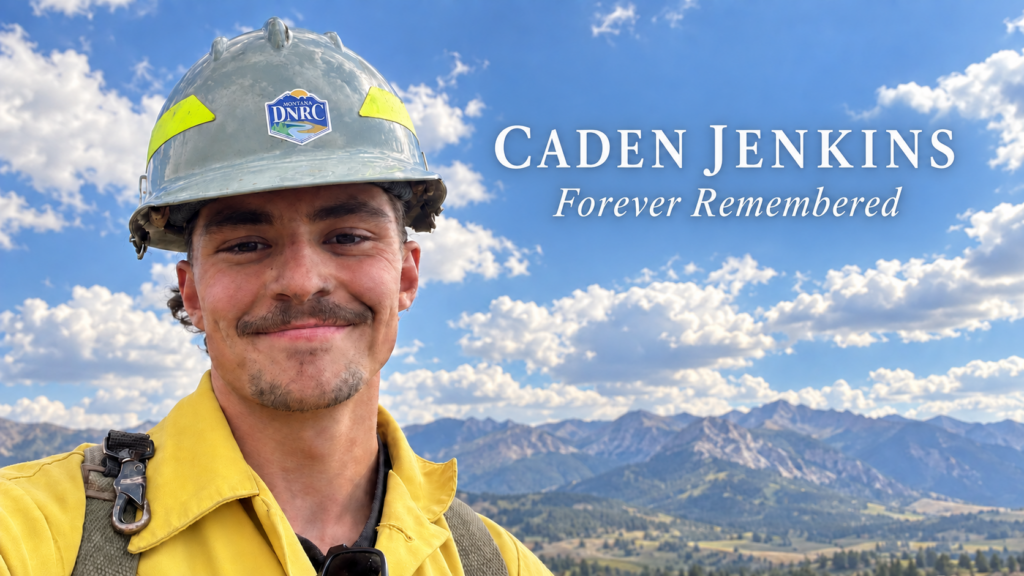

I went to support a grieving family. I left feeling that a young man I had never met had taught me something about how to live.
Caden Jeffrey Jenkins was 22 when he died in a motor vehicle accident in Beaverhead County on July 5, 2026.
I had never met him.
His mother, Melanie Jenkins, and I are colleagues at Box Elder Public Schools. She is deeply loved and respected by everyone who knows her. After learning about his death, my family and I travelled from Edmonton to Havre for the memorial service.
We went to support Melanie and her family. I did not expect what I experienced there to affect me so deeply or remain with me for so long.
At the funeral home, I sat near Caden’s casket. Looking at a young man I had never known, I began speaking to him. It felt like a spiritual conversation.
I thought about what fills our days. We work, make plans, collect possessions, disagree with people and become upset over matters that may soon mean very little. Sitting there, I wondered what would remain after all of it was gone.
I had no memories of Caden. I could learn who he was only by listening to the people who had known him.
Caden was an athlete, outdoorsman, writer and man of faith. He played basketball and baseball, loved fly-fishing and tying flies, and was interested in writing and storytelling.
In a 2021 interview with the Havre Daily News, Caden spoke about why writing appealed to him.
“I just like writing and telling a story,” he said. “You can tell a story from so many different perspectives.”
He was also a wildland firefighter with the Montana Department of Natural Resources and Conservation. He was entering his third season with the Dillon Unit and had become a respected lead firefighter. He worked on a helicopter crew and as a sawyer, managed the unit’s physical fitness program and mentored new firefighters.
At his memorial service, I learned more about who Caden was.
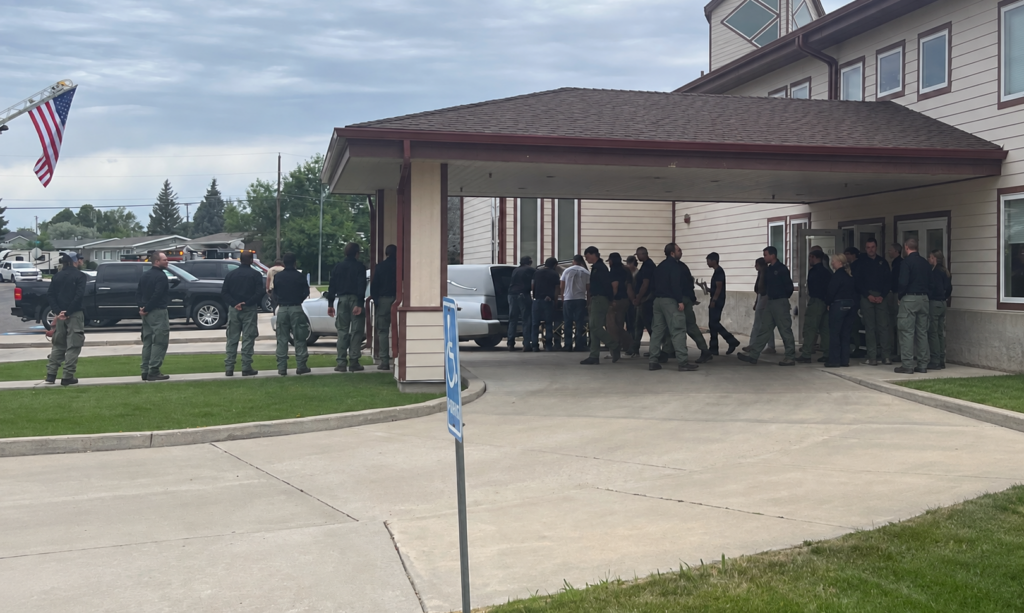
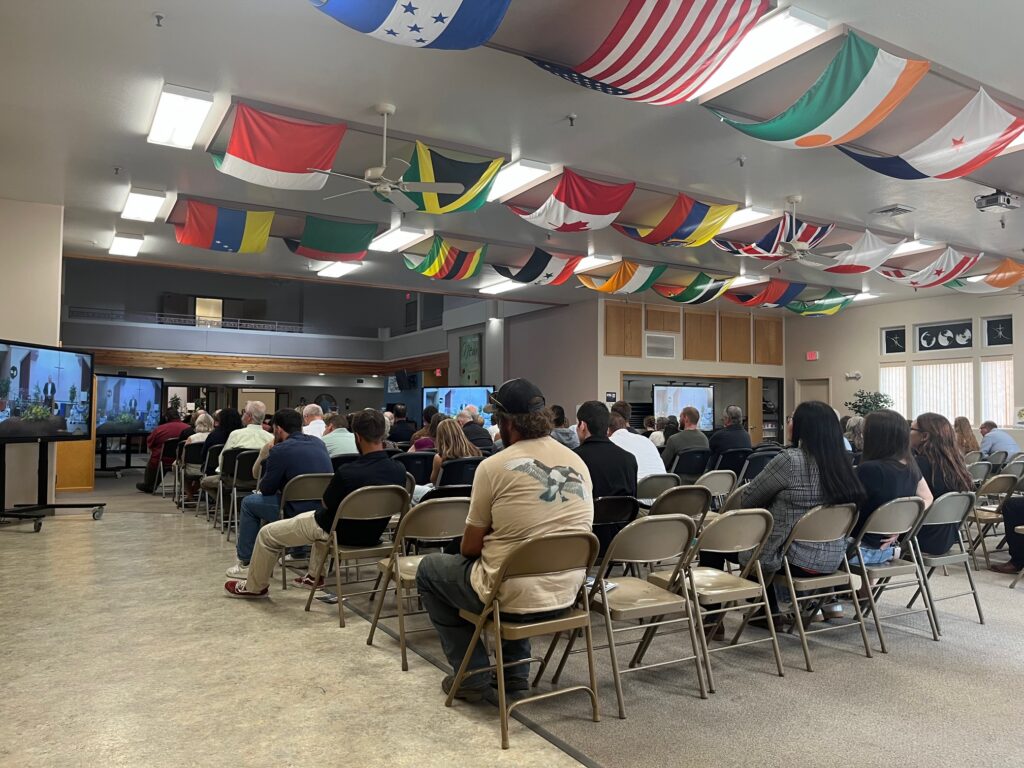
Caden’s friend Ethan Rhodes from the Dillon Unit, shared a wildland firefighter’s prayer. It asked God to protect firefighters as they protected their communities and to watch over their crews, friends and families.
Rhodes then thanked God for Caden’s life.
“Caden, we love you, and we’ll see you later,” he said on behalf of the Dillon Unit.
Those few words carried the affection of people who had worked beside Caden and trusted him with their lives.
The minister looked out at the people gathered in the church and spoke about what their presence said about Caden. He remembered Caden’s smile, his encouragement and the way he reached beyond himself to help others.
Mollee Gemar, whom Caden regarded as his “sister from another mister,” then spoke about the person she knew.
“Caden wasn’t someone you simply knew,” she said. “He was someone you experienced.”
She remembered how he made life bigger, funnier and louder. She spoke about his ability to see good in people when they could not see it in themselves. Around Caden, she said, people felt noticed. They felt valued and loved.
Mollee called Caden her “healer.” She said that whenever someone was having a hard time or needed someone to talk to, Caden was the person they called.
I had not known him, but I was getting to know him through the people who had. They spoke about the difficulties he faced, how much he cared about others and how hard he worked on himself.
Physical problems forced him to give up football and baseball, two sports he loved. He then began studying physiology to better understand the human body. He worked on becoming stronger in body and mind and had recently started weightlifting.
He hunted, fished, hiked, collected shed antlers and kept a growing collection of plants. With people close to him, he helped start Off the Grid Outdoors. They wanted to help others get away from the distractions of everyday life and spend more time outside.
His family said he believed God’s creation should be respected and protected. He had been baptized by his grandfather Doug in the Bear Paw Mountains, and his faith guided how he tried to treat other people.
Caden’s faith, the people he loved, helping others and being outdoors mattered much more to him. His family remembered that he worked hard without expecting praise and made sure the people around him knew they mattered.
Hearing those stories made me think about the way I live. I had gone to the service hoping to comfort his family, but I came away questioning how much time I spend worrying, holding on to resentment or becoming upset about problems that may not matter for long.
Caden and I never met or spoke, but by then, I felt I knew something about him. I found myself wishing I had met him sooner. In that sense, he became the friend I met too late.
He was only 22, and he should have had many more years ahead of him. Still, he had already helped many people. Friends called him when they were having a hard time, and what he gave them did not disappear when he died.
His family has asked those who wish to honour him to love others well, spend time in God’s creation, work hard without expecting recognition and let people know they are seen, valued and loved.
Caden often said, “You just gotta keep livin’, man, L-I-V-I-N.”
For those who loved him, continuing to live does not require leaving him behind. They can carry forward the kindness, faith and service they saw in him.
I went to Havre to stand beside a grieving family. I returned with something I had not expected, a lesson from a young man I had never met.
Caden Jenkins became my silent friend, and his life continues to ask me, and perhaps all of us, a difficult but necessary question:
When everything unimportant is taken away, what meaning will we have left in the lives of others?