

Canadian manufacturers faced another sharp jump in input and output costs in April.
The Industrial Product Price Index rose 2.0 percent in April from March, marking the fourth consecutive monthly increase. Yearly, industrial prices were up 11.4 percent, extending a streak of annual gains that has now lasted 19 months.
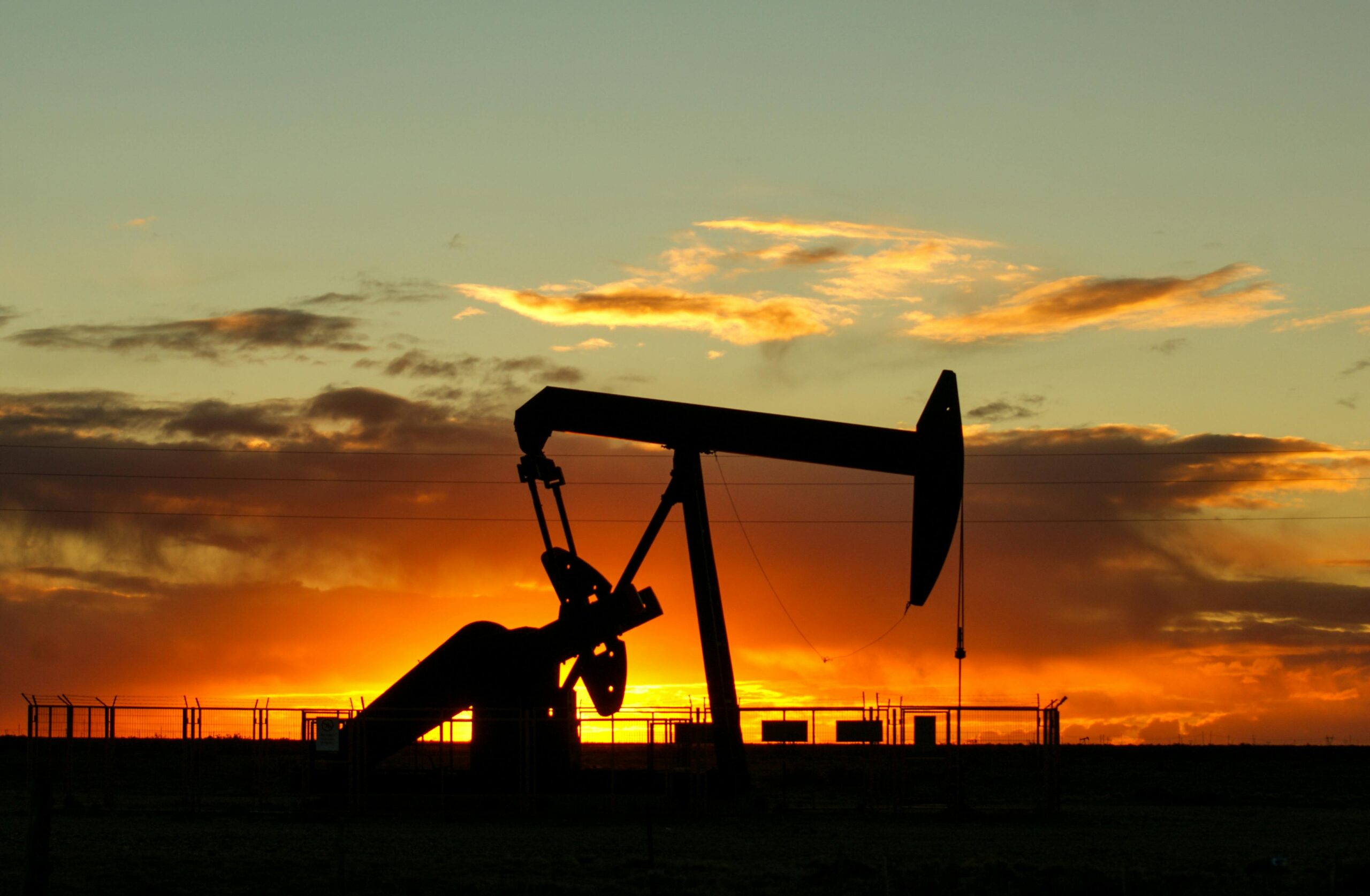
Much of the increase was tied to energy markets after shipping disruptions in the Strait of Hormuz continued to affect global petroleum flows. Fuel costs climbed again in April following an even larger surge in March, feeding into transportation, chemicals and manufacturing prices throughout the economy.
Prices for energy and petroleum products rose 7.7 percent during the month, following a 26.9 percent increase in March. Finished motor gasoline prices jumped 12.8 percent in April alone, while diesel fuel, jet fuel and light fuel oils also moved higher.
The cost increases were no longer limited to fuel. Chemical prices posted their largest monthly increase since recordkeeping for the series began in 1981. Plastic resin prices surged 35.7 percent in a single month, while petrochemicals and industrial pigments also recorded major increases. The data point to mounting pressure on industries tied to packaging, construction materials, agriculture and consumer goods manufacturing.
Food-related manufacturing costs also continued to rise. Prices for fruit, vegetable, feed and food products increased for a fourth straight month, driven largely by grain and oilseed products. Statistics Canada said grain and oilseed products recorded the largest monthly increase since comparable data became available in 2020.
The broader picture suggests inflationary pressures inside industrial supply chains remain stronger than consumer inflation figures alone would indicate. Excluding energy and petroleum products, the Industrial Product Price Index still rose 1.1 percent in April, showing that price growth has spread well beyond oil markets.
Metal markets presented a mixed picture. Aluminum and copper prices moved higher as supply concerns and industrial demand persisted, but declines in gold and silver prices partially offset the increase within the non-ferrous metals category. Still, precious metals remained among the biggest drivers of yearly industrial price growth because of sustained investor demand over the past year.
Raw material costs also continued climbing. The Raw Materials Price Index rose 2.6 percent in April and was up 31.6 percent from a year earlier. Crude oil remained the main driver after another decline in global oil supply during the spring.
The latest figures point to continued cost pressure for manufacturers, wholesalers and transportation companies heading into the summer. Businesses dealing with higher fuel, packaging and material costs may increasingly try to pass some of those increases on to customers in the months ahead.