

By Joseph and Whisper (Student Journalists)
Box Elder, Montana – Tourism across the Alberta–Montana border is intensifying as millions of visitors continue to flock to the Rocky Mountains, putting renewed attention on one of North America’s most significant cross-border travel corridors.
National parks on both sides of the border remain central to that growth, with rising visitation, infrastructure pressure and increasing global interest in nature-based travel reshaping how the region manages tourism.
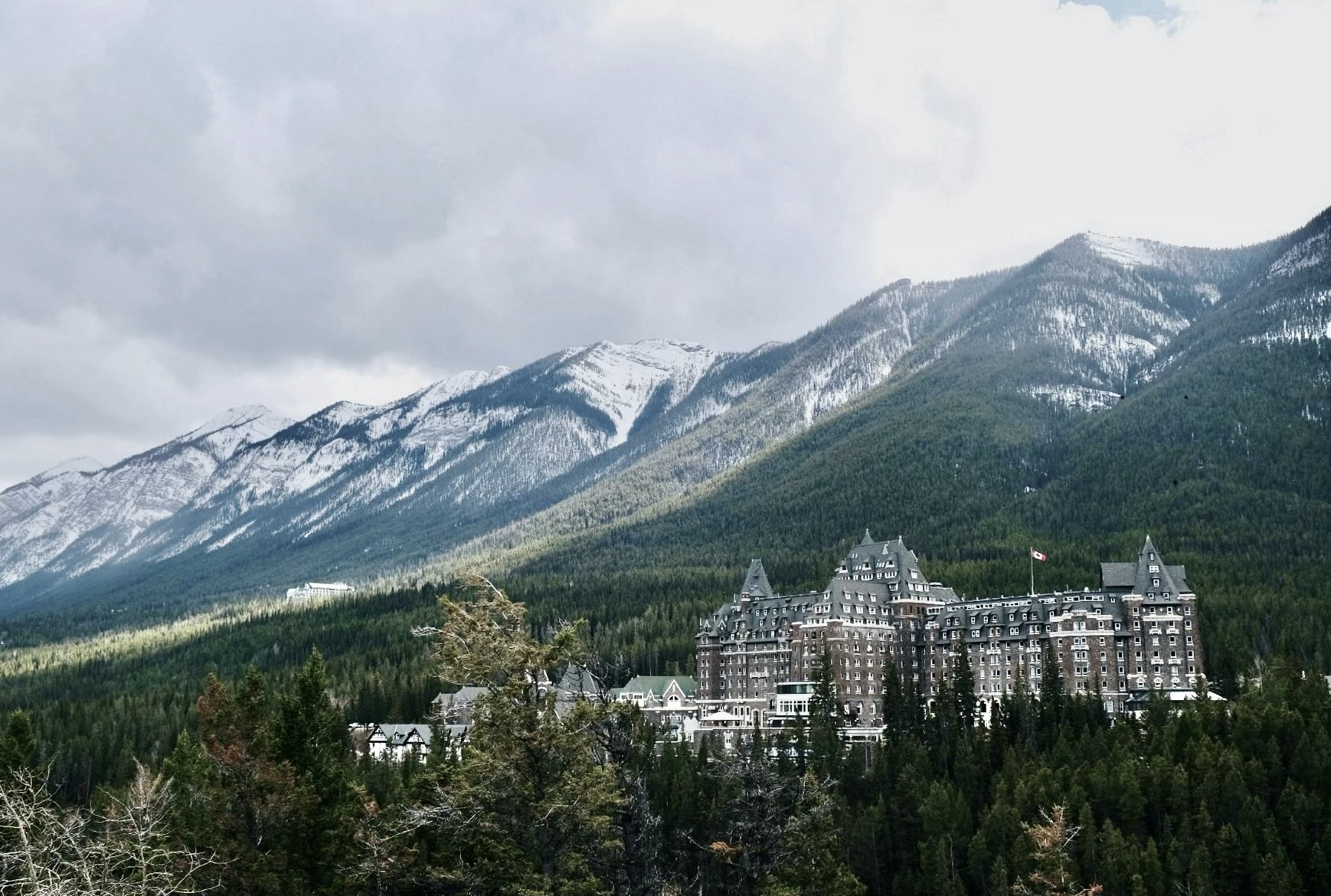
In Alberta, Banff National Park continues to lead the country, drawing more than 4.2 million visitors annually, with recent figures approaching record levels near 4.5 million. Jasper National Park also remains a major destination, attracting more than one million visitors each year. Together with Waterton Lakes, Elk Island and Wood Buffalo, the parks form a system that ranges from heavily visited mountain corridors to remote northern wilderness.
Banff’s global reputation is anchored by destinations such as Lake Louise and Moraine Lake, along with the Icefields Parkway, a 230-kilometer (142 miles) route linking Banff and Jasper that is widely considered one of the most scenic drives in North America. While the attractions define Canada’s international tourism image, they have also become focal points for congestion during peak travel seasons.
Jasper offers a quieter alternative, with extensive backcountry access, glaciers and one of the world’s largest dark-sky preserves. Further south, Waterton Lakes National Park connects directly with the United States, forming part of the Waterton-Glacier International Peace Park, a UNESCO World Heritage site that allows visitors to experience a continuous mountain landscape across the border.
In Montana, Glacier National Park anchors the state’s tourism economy, drawing close to three million visitors annually in recent years. Known for its alpine terrain, more than 1,000 kilometres of trails and the Going-to-the-Sun Road, Glacier offers a landscape comparable to Alberta’s mountain parks, though often with less built infrastructure.
Montana also serves as a key gateway to Yellowstone National Park, which spans Wyoming, Montana and Idaho and remains one of the most visited parks in the United States, attracting more than four million visitors annually.
Beyond national parks, Montana’s broader system of protected and historic sites, including Bighorn Canyon National Recreation Area and Grant-Kohrs Ranch National Historic Site, adds cultural and historical depth to the tourism experience, complementing the region’s natural attractions.
Despite differences in infrastructure, visitor experiences across Alberta and Montana remain closely aligned. Hiking, wildlife viewing and scenic driving dominate tourism activity, with opportunities to see species such as grizzly bears, elk, wolves and bison. Water-based recreation, including canoeing on glacier-fed lakes in Alberta and fishing in Montana’s rivers, further supports regional tourism economies.
However, growing visitation is also creating challenges. In Montana, Glacier National Park has faced increasing strain from visitor demand, with infrastructure and environmental pressures becoming more visible in recent years. Similar concerns have emerged in Alberta, where overcrowding at high-profile locations has prompted stricter access management, including shuttle systems and seasonal restrictions.
Costs remain a factor shaping travel decisions. In Canada, daily admission to national parks typically ranges from about $12 to $20 per adult, or around $20 for a family or group (up to 7 people in one vehicle), with the Parks Canada Discovery Pass offering annual access for families at approximately $167.50. In the United States, entrance fees for parks such as Glacier and Yellowstone are generally around US$35 per vehicle, reflecting a different pricing structure focused on group entry.
Accessibility also influences tourism patterns. Alberta’s parks benefit from proximity to major urban centres, with Calgary International Airport located about 90 minutes from Banff. In contrast, Montana’s parks are more dispersed, with Glacier Park International Airport serving as a primary gateway but requiring longer travel distances between destinations.
The differences we mentioned contribute to distinct visitor experiences. Alberta’s parks are often associated with well-developed infrastructure and high visitor volumes, while Montana’s parks, particularly Glacier, tend to offer a more remote and less crowded environment, though that gap is narrowing as visitation increases.
As demand for outdoor travel continues to grow, the Alberta–Montana corridor is emerging as an economic driver and a management challenge. The shared landscape that draws millions of visitors each year is also placing pressure on ecosystems, infrastructure and local communities, raising questions about how to balance access with long-term conservation across one of North America’s most iconic tourism regions.