

Canadian farmers plan to increase seeded area for canola, barley, soybeans and corn for grain in 2026, while reducing wheat, oats, lentils and dry peas.
Total wheat area is expected to fall 1.1 percent to 26.7 million acres. Spring wheat is nearly unchanged at 18.8 million acres. Durum is projected to decline 2.4 percent to 6.4 million acres, and winter wheat is expected to drop 6.7 percent to 1.6 million acres.
Saskatchewan producers plan to seed 13.9 million acres of wheat, down 1.0 percent. Alberta is forecast to increase wheat area slightly to 8.1 million acres, as higher spring wheat offsets a decline in durum. Manitoba farmers expect to reduce wheat acres 5.1 percent to 3.1 million.
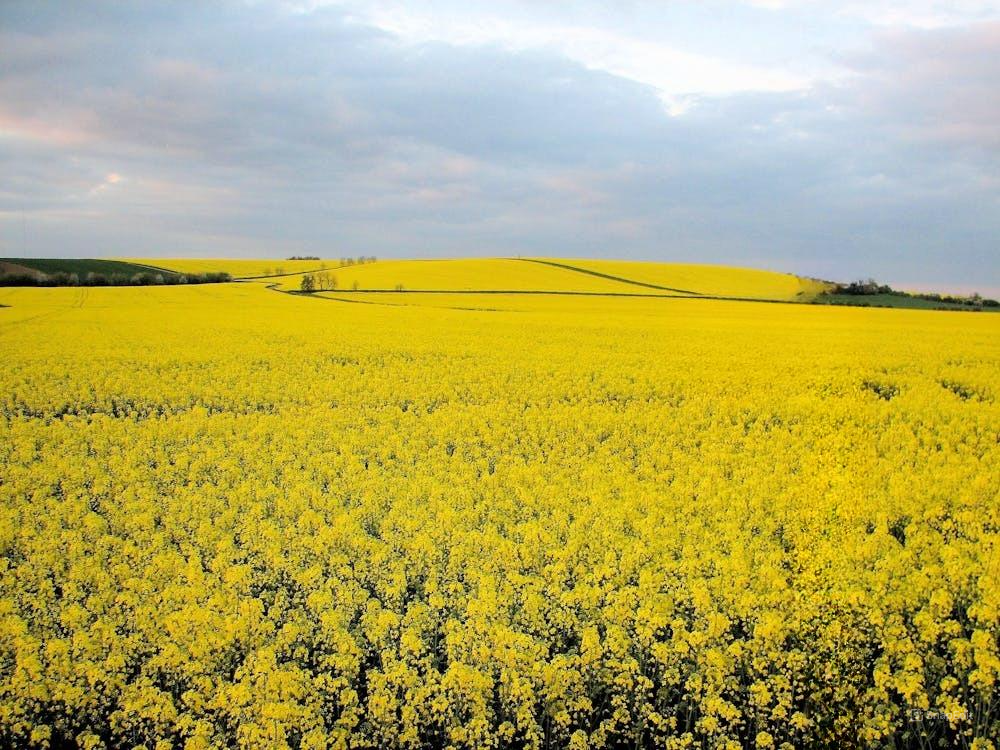
Canola area is projected to rise 1.0 percent to 21.8 million acres. Saskatchewan plans 12.2 million acres, up 0.5 percent. Alberta expects a 0.7 percent increase to 6.3 million acres. Manitoba is forecast to seed 3.2 million acres, up 4.7 percent.
Soybean area is expected to increase 1.9 percent to 5.9 million acres. Ontario remains the largest producer at 2.9 million acres, up 0.2 percent. Manitoba is forecast to increase soybean area 12.9 percent to 1.9 million acres. Quebec plans to reduce soybean acres 5.0 percent to 1.0 million.
Barley acreage is expected to rise 5.0 percent to 6.4 million acres, with gains in Saskatchewan and Alberta. Oat area is projected to decline 3.1 percent to 2.9 million acres.
Farmers plan to plant 3.8 million acres of corn for grain, up 1.7 percent. Ontario is expected to reach a record 2.3 million acres, up 5.4 percent. Quebec and Manitoba both plan modest declines.
Lentil area is forecast to fall 5.5 percent to 4.1 million acres. Saskatchewan and Alberta both expect reductions. Dry pea acreage is projected to decline 12.3 percent to 3.1 million acres, with the largest drop in Saskatchewan.