

Canada ended 2025 with grain piling up in Western Canada after large harvests outpaced export demand, while Eastern producers faced declining corn and soybean stocks.
Wheat stocks rose 5.9 percent from a year earlier to 27.5 million tonnes as of Dec. 31. Most of the increase sat on farms, where inventories climbed 7.2 percent to 24.1 million tonnes. Commercial wheat stocks slipped 2.7 percent to 3.4 million tonnes.
Wheat deliveries off farm reached a record 17.1 million tonnes, up 8.2 percent from a year earlier. Exports also set a record, rising 7.9 percent to 12.1 million tonnes. Even so, the sheer scale of production kept total stocks elevated, reinforcing how large the 2025 harvest was by historical standards.
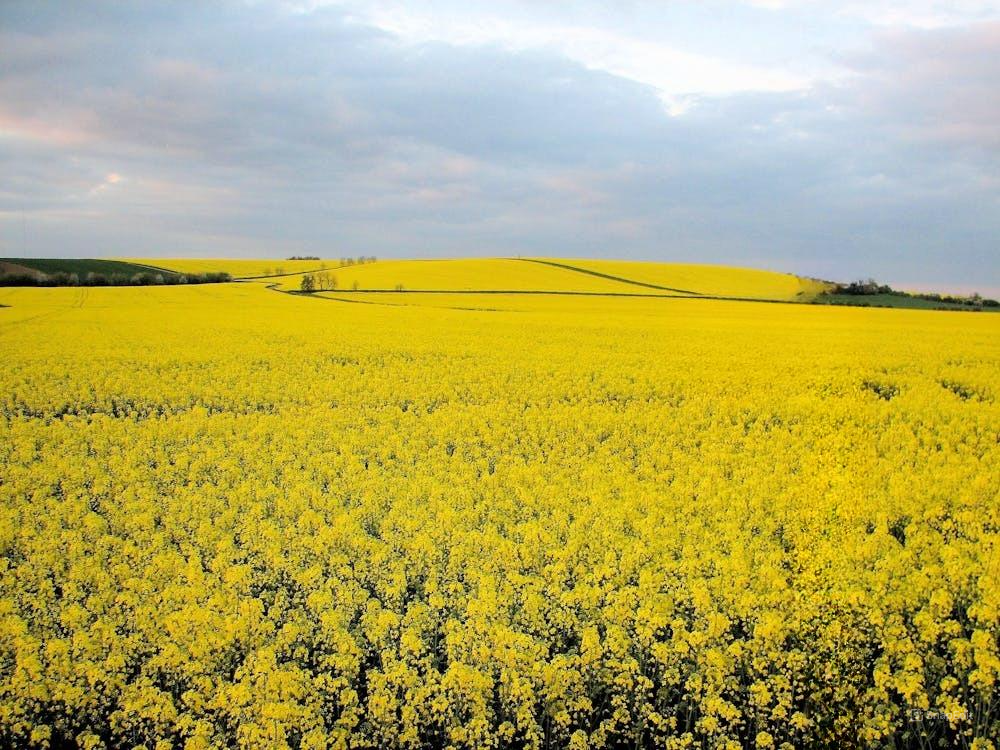
Canola told a very different story. Stocks surged 18.1 percent to 15.6 million tonnes, with on-farm inventories jumping more than 21 percent. Commercial stocks declined, indicating that the buildup was concentrated at the farm level rather than in the handling system. Opening supplies increased on higher production, but exports fell sharply.
Canola exports dropped 36.1 percent to 2.8 million tonnes by the end of December, coinciding with duties imposed by China, one of Canada’s most important canola markets. Domestic use rose three percent to 5.1 million tonnes, but the increase was not enough to offset the loss of export demand.
Barley stocks increased 16.7 percent to 5.7 million tonnes, with on-farm and commercial inventories higher than a year earlier. Unlike canola, much of the additional supply found a domestic outlet. Barley use rose 13.9 percent to 3.5 million tonnes, well above the five-year average.
Oat stocks also rose 9.8 percent to 2.7 million tonnes. Domestic use climbed 36.8 percent to 680,500 tonnes, again reflecting stronger feed demand rather than export growth.
Eastern Canada showed the opposite pattern. Corn for grain stocks fell 3.3 percent to 10.9 million tonnes as lower on-farm inventories outweighed higher commercial stocks. Soybean stocks fell 26.6 percent to 3.2 million tonnes, following a 10.7 percent decline in production. On-farm soybean stocks fell by more than half, leaving growers with far less buffer than a year earlier.
The year-end numbers point to a widening regional divide. Western Canada is dealing with abundant supplies that have not cleared export channels fast enough, particularly for canola, while Eastern Canada faces tighter grain and oilseed availability.