

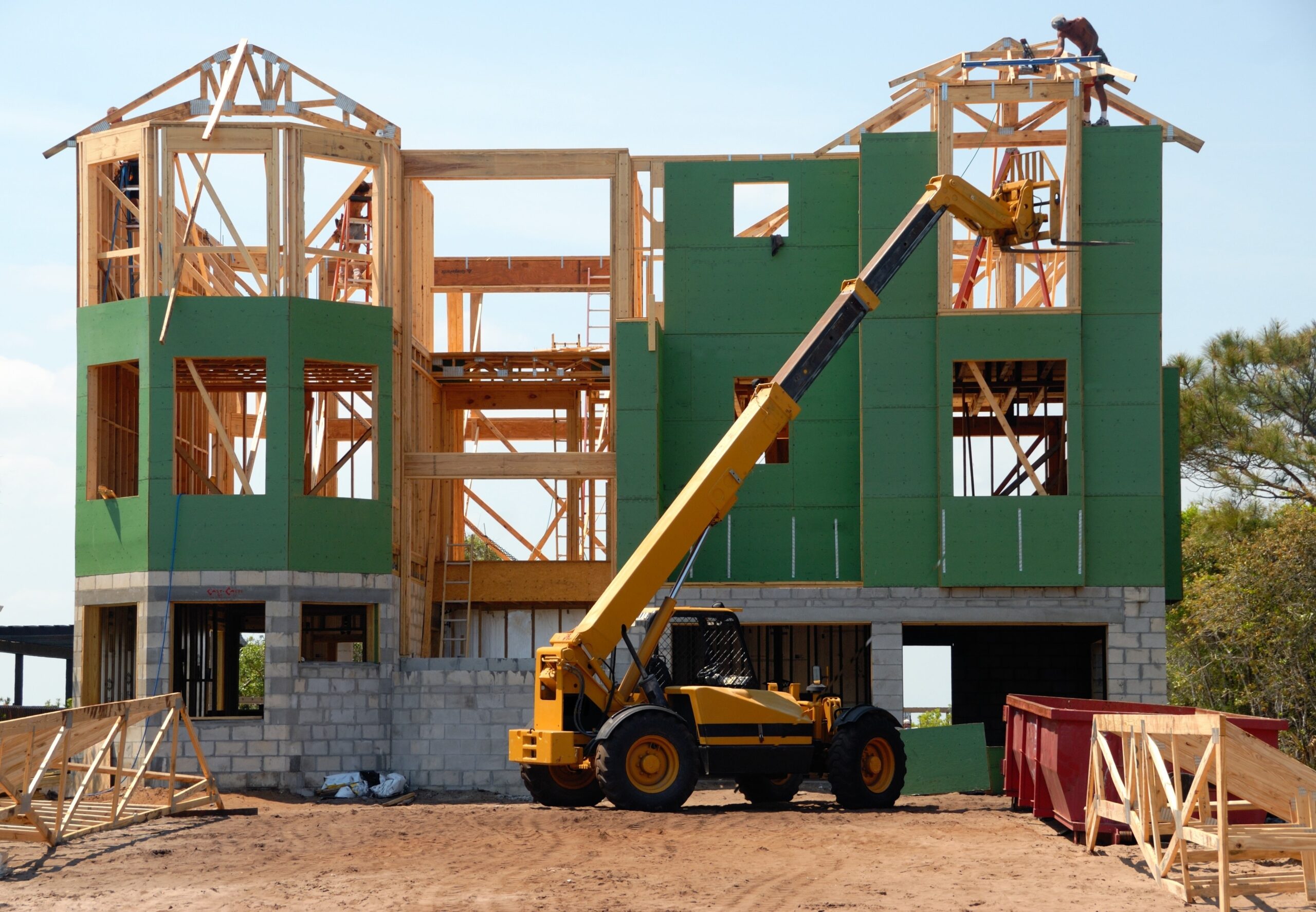
Canada’s construction pipeline took a sharp step back in November, with the total value of building permits falling 13.1% to $12.0 billion, erasing much of October’s rebound and underscoring how uneven and fragile the sector remains.
Ontario was the decisive factor. After propping up national figures in October, the province reversed course in November, driven almost entirely by a collapse in multi-family residential permits. Ontario alone accounted for nearly $900 million of the $1.0-billion national decline in residential intentions. Quebec followed with a sizable drop, while British Columbia posted an increase that softened but did not offset the national slide.
Nationally, the number of authorized new residential units fell 11.4% from October, reflecting fewer approvals for both multi-family and single-family dwellings. Yet over the past year, total multi-family authorizations were still higher than the previous 12-month period, highlighting a stop-start pattern rather than a clear upward or downward trend. Developers appear willing to plan large projects in theory, but are increasingly hesitant to move forward month to month.
The national total was essentially flat, masking declines in key markets such as Quebec that offset modest gains elsewhere. It suggests that higher borrowing costs and affordability constraints continue to weigh on traditional homebuilding, even as population growth and housing shortages persist.
Non-residential construction also weakened across the board. Commercial permits fell sharply, led again by Ontario and concentrated in the Toronto area. Institutional permits declined in most provinces, with Ontario and Alberta posting the largest losses, while industrial permits slid despite pockets of strength. The breadth of the downturn points to delayed or cancelled projects rather than simple timing issues.
The total value of permits dropped more than 13% from October and was nearly 4% lower than a year earlier, confirming that the slowdown is not merely a nominal effect of price changes. For an economy already grappling with weak productivity growth, declining real investment intentions raise concerns about future capacity and job creation.
Regional disparities were stark. Prince Edward Island and Nova Scotia posted notable increases, while several western and central provinces recorded declines, reinforcing how local conditions and project timing can dominate national averages.
Demand for housing and infrastructure remains intense, yet the willingness or ability to commit capital is faltering. Until financing conditions stabilize and policy uncertainty eases, building permits are likely to remain volatile, leaving the construction sector, and the broader economy, exposed to abrupt shifts rather than sustained growth.