

Canada’s wholesale sector recorded a slight pickup in September. National sales reached an estimated $85.9 billion, a 0.6 percent monthly increase, excluding petroleum and grain-related categories that normally add volatility to the numbers.
Much of the growth came from food, beverage, and tobacco wholesalers. About forty percent of the year-over-year rise stemmed from higher prices rather than stronger volumes, a reminder that households and retailers are still absorbing elevated food costs.
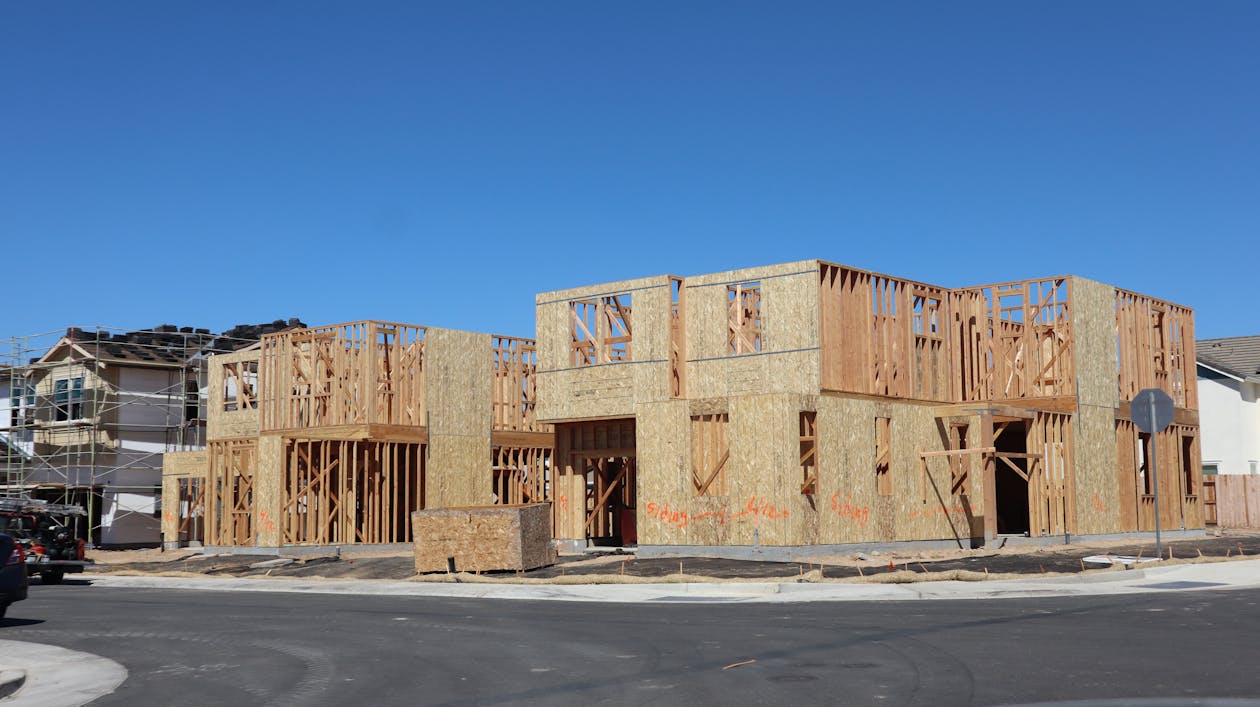
Building materials also posted a solid gain after several quieter months. Higher sales often reflect construction demand, but industry sources note that projects have been facing cost pressures from interest rates, labour shortages, and unpredictable supply timelines. Even with the September increase, many firms remain cautious about the outlook as winter approaches.
Motor vehicles and parts also recorded a monthly rise, although the sector remained weaker than it was a year earlier. Ongoing supply chain challenges, uneven chip availability, and a cooling retail market have reshaped inventories for manufacturers and dealers.
One of the sharpest swings came from mineral, ore, and precious metal wholesalers, who saw sales climb significantly for a second consecutive month. Much of the momentum reflects higher commodity prices, particularly for goldç
Provincial gains concentrated in resource-oriented and construction-linked industries
Seven provinces posted higher sales in September, with Alberta, Quebec, and British Columbia contributing most of the national increase.
Alberta’s wholesalers saw broad gains in machinery, equipment and supplies, along with a strong pickup in food-related categories. Equipment sales reached their highest level in months, supported by demand from agriculture, construction, and energy services. Even so, business groups in the province have flagged concerns about labour shortages and elevated financing costs.
British Columbia continued to benefit from construction activity and strong commodity prices. The rise in mineral-related sales, combined with demand for building materials, pushed the province’s wholesale totals to their highest level since early 2025. Still, businesses in the region remain sensitive to port disruptions, wildfire-related delays, and transportation bottlenecks that regularly affect the West Coast supply chain.
Inventories trend lower, offering mixed signals for the months ahead
National wholesale inventories dipped slightly in September, with the steepest reductions coming from building materials and miscellaneous goods. The inventory-to-sales ratio inched down to 1.57, suggesting that stockpiles were being cleared a bit faster than earlier in the year.
While lower inventories can point to healthier demand, they can also signal cautious ordering from businesses anticipating slower growth.
The combination of mild sales growth, high prices, and declining inventories offers a complicated picture heading into the final quarter of the year. The sector is neither contracting nor accelerating sharply, and much of the apparent momentum reflects inflation, commodity fluctuations, and regional disparities rather than strong underlying demand.