

Canada’s wholesale sector slipped in August, pulled down by steep declines in motor vehicle sales and a slowdown in food distribution, even as parts of the economy showed resilience.
The wholesale sales fell 1.2 percent to $85.4 billion..
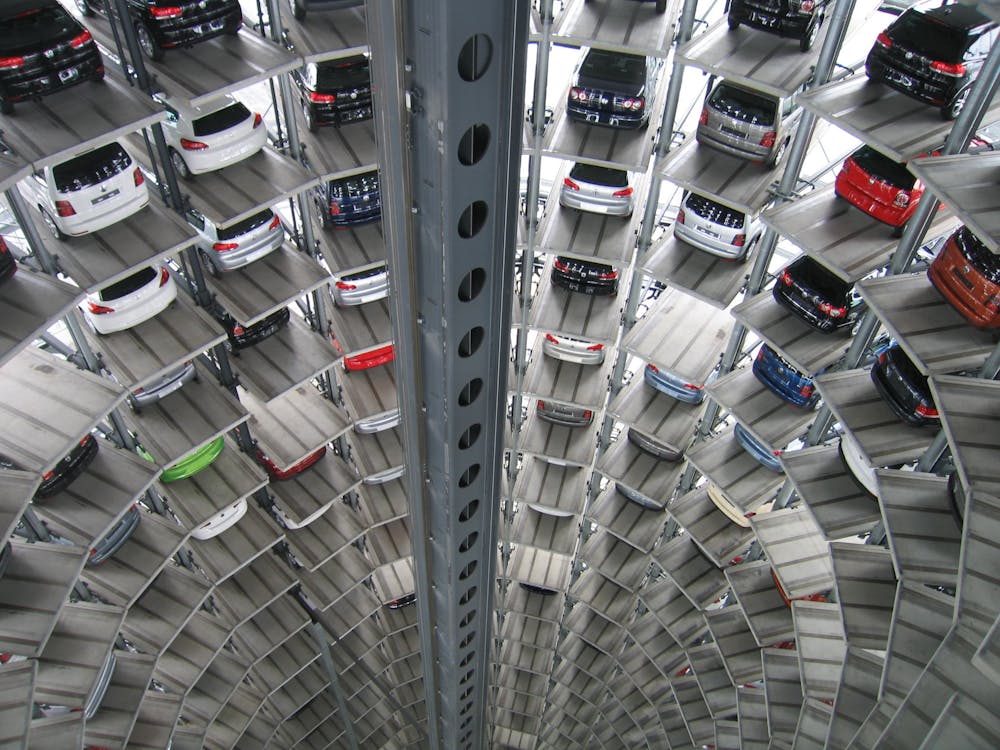
The motor vehicle and parts subsector led the decline, plunging 8.8 percent to $14.0 billion. Sales of new vehicles fell 10.7 percent to $11.1 billion after manufacturers faced weaker demand. Food, beverage and tobacco wholesalers also pulled the sector lower, down 3.8 percent to $15.6 billion, with the food component contracting 4.2 percent.
Agricultural supply sales jumped 9.1 percent, while mineral, ore and precious metals surged 17.1 percent. Machinery, equipment and supplies also rose 2.3 percent after strong sales of farm and garden machinery, which climbed nearly 19 percent.
Sales In Ontario fell 2.4 percent to $43.8 billion. Ontario’s auto sector was again the main culprit, dropping 8.7 percent. Quebec also declined 1.0 percent, driven by an 11.2 percent fall in motor vehicle sales. Saskatchewan was the lone bright spot, posting a 9.6 percent increase to $3.9 billion thanks to strong agricultural supply sales.
Wholesalers held $134.7 billion in stock at the end of August, up 0.7 percent from July. The inventory-to-sales ratio rose to 1.58 months.
Despite the August setback, wholesale sales remained 4.3 percent higher than a year earlier. Still, the numbers paint a picture of an economy wrestling with uneven momentum: consumers are cautious, the auto sector is facing headwinds, yet agricultural and machinery demand remains strong.