

Kazakhstan is a country many Canadians have heard of but few truly understand. Tucked between China and Russia, it is the world’s largest landlocked nation and one of the most culturally rich societies in Central Asia. After spending several years living in Kazakhstan, I carry with me vivid memories of its history, people, and nature. It is more than vast steppes, snow-covered mountains, or futuristic skylines. It is a place where ancient customs shape daily life, where hospitality is not just a gesture but a deeply ingrained value, and where history is preserved through music, language, and shared meals.
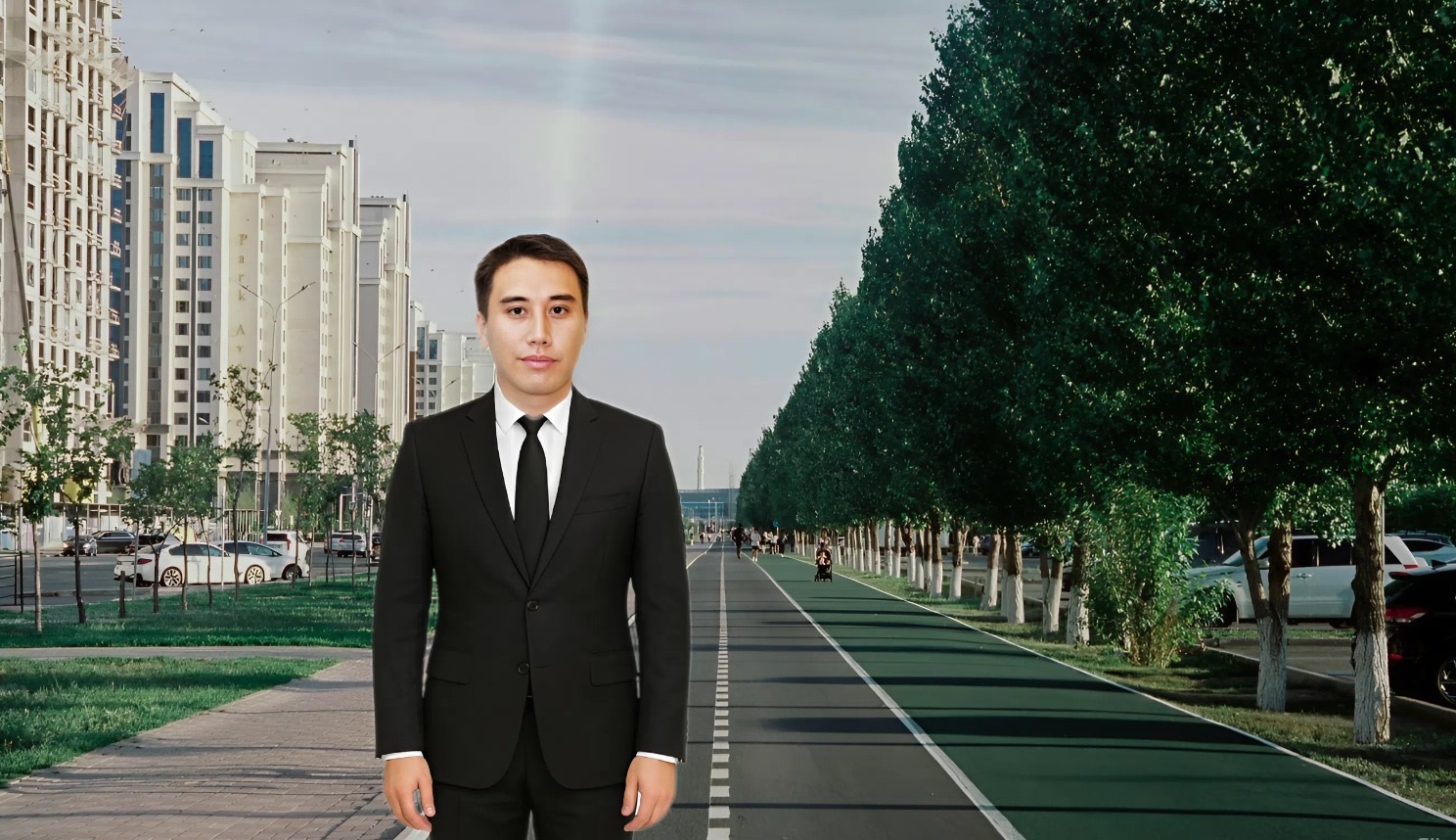
I recently had the opportunity to speak with Amirbek Alibi, Second Secretary at the Embassy of Kazakhstan in Canada, who shared insights into Kazakhstan’s identity, values, and cultural continuity.
“Kazakhstan is a civilizational crossroads,” Alibi said. “Our culture carries the spirit of nomadic life but also the discipline and vision of a modern state.”
That connection is perhaps best understood through the Kazakh tradition of qonaqжайлық, a word that roughly translates to hospitality, though its meaning is much deeper. For centuries, Kazakh people lived in nomadic communities where offering food and shelter to travellers was a matter of survival. That ethic continues today.
“You will not leave a Kazakh home hungry,” Alibi said. “Tea, bread, sweets, even a full meal, will be offered. It is not about wealth. It is about dignity.”
Food plays an important role in social life. National dishes such as beshbarmak, baursak, and kymyz are closely tied to major life events and seasonal traditions. Every dish has meaning. Every meal is a chance to connect.
Kazakhstan’s geography has also shaped its cultural identity. Located between China and Russia, and bordering several other Central Asian nations, Kazakhstan has long served as a meeting point between East and West. Its people are known for maintaining calm diplomacy and cultural balance.
“Kazakhstan’s foreign policy is based on dialogue and mutual respect,” Alibi said. “We have strong relationships with all our neighbours and see ourselves as a connector, not a competitor.”
The nomadic heritage still influences how people relate to nature and family relationships. Though most people now live in cities, the values of mobility, adaptation, and resilience remain strong. Traditional yurts, portable homes used by nomads for centuries, are still used in rural areas and celebrated as a national symbol.
“The yurt represents harmony between people and the land,” Alibi explained. “Even today, it is a reminder that stability is found in community, not just in buildings.”
Language is also central to the Kazakh identity. While Kazakh and Russian are official languages, there are growing efforts to promote the Kazakh language, particularly in education, media, and public service. Kazakhstan is also home to over 100 ethnic groups, and the country has made multiculturalism part of its national policy.
“We are a diverse country,” Alibi said. “And we view that as a strength. People of different backgrounds live together peacefully, and we continue to learn from each other.”
Modern Kazakhstan is defined by preservation and progress. The government has invested in digital innovation, renewable energy, and education reform. At the same time, there is renewed interest in Kazakh music, storytelling, and oral history. The dombra, a two-stringed instrument, is being taught to younger generations as a link to the past.
“Our modernization does not mean we forget our roots,” Alibi said. “We want to move forward while holding on to what makes us who we are.”
For many Canadians, Kazakhstan may still feel distant. But at its heart, it is a country shaped by generosity, quiet strength, and a commitment to community. Through voices like Alibi’s, and cultural exchange, we gain a clearer understanding of a nation that is proud of its past and ready for its future.